 注: 建议图片大小150px*50px
丨
English
注: 建议图片大小150px*50px 


Views: 0 Author: Site Editor Publish Time: 2026-07-29 Origin: Site


Moving heavy materials at elevation introduces severe inherent risks to any construction site. Statistical data consistently highlights crane operations and leading-edge work as primary sources of critical incidents in high-rise construction. Dropped loads, structural failures, and falls from height carry catastrophic consequences. Project managers and site safety officers face the constant challenge of balancing aggressive project timelines with zero-tolerance safety mandates. They require equipment that facilitates rapid material transfer without compromising structural integrity or exposing workers to unnecessary hazards.
Selecting a loading platform is a critical risk-management decision that directly impacts daily site operations. A poorly designed or inadequately secured platform creates a weak point in the building's temporary infrastructure. The objective of this guide is to provide a technical evaluation framework for the non-negotiable safety features, compliance standards, and operational safeguards required in modern material handling equipment. By understanding these technical requirements, construction professionals can make informed procurement decisions that prioritize site safety and operational efficiency.
The primary function of a material transfer platform is to bridge the gap between the building interior and the crane hoist. It serves as a temporary staging area where heavy materials—such as drywall, formwork, structural steel, and HVAC components—are landed by the tower crane and subsequently moved into the building structure. This operational scope requires the platform to withstand significant dynamic forces during the landing phase while providing a stable, secure environment for the workers receiving the load. When you are managing a high-rise project, the logistics of moving thousands of tons of material dictate the pace of the entire job. You need a system that handles this volume without creating bottlenecks at the edge.
Evaluating these systems requires balancing risk against efficiency. High-throughput material handling is essential for maintaining the project schedule, but this cannot come at the expense of absolute fall and drop prevention. Every time a load is landed, workers are exposed to the leading edge. The platform must mitigate this exposure through engineered controls rather than relying solely on administrative procedures or worker vigilance. We see too many sites where crews rely on temporary guardrails that get moved or forgotten. Engineered controls built directly into the deck eliminate that human error factor.
Baseline requirements for a construction loading deck include ease of installation, compatibility with existing formwork and scaffolding systems, and minimal disruption to the building envelope. The system should integrate seamlessly into the construction sequence. If a platform is overly complex to install or relocate, it introduces new risks during the rigging and lifting phases, defeating its primary purpose as a safety and efficiency tool. You want a system that your rigging crew can jump from floor to floor in under an hour, minimizing crane hook time and keeping the site moving.
Furthermore, the integration of these platforms must account for the specific structural realities of the building. Post-tensioned slabs, for example, require completely different anchoring strategies compared to standard reinforced concrete. The evaluation process must include a thorough review of the building's structural drawings to ensure the chosen platform can be safely anchored without compromising the permanent structure. This often involves close coordination with the structural engineer of record to approve the temporary point loads imposed by the platform props or bolts.
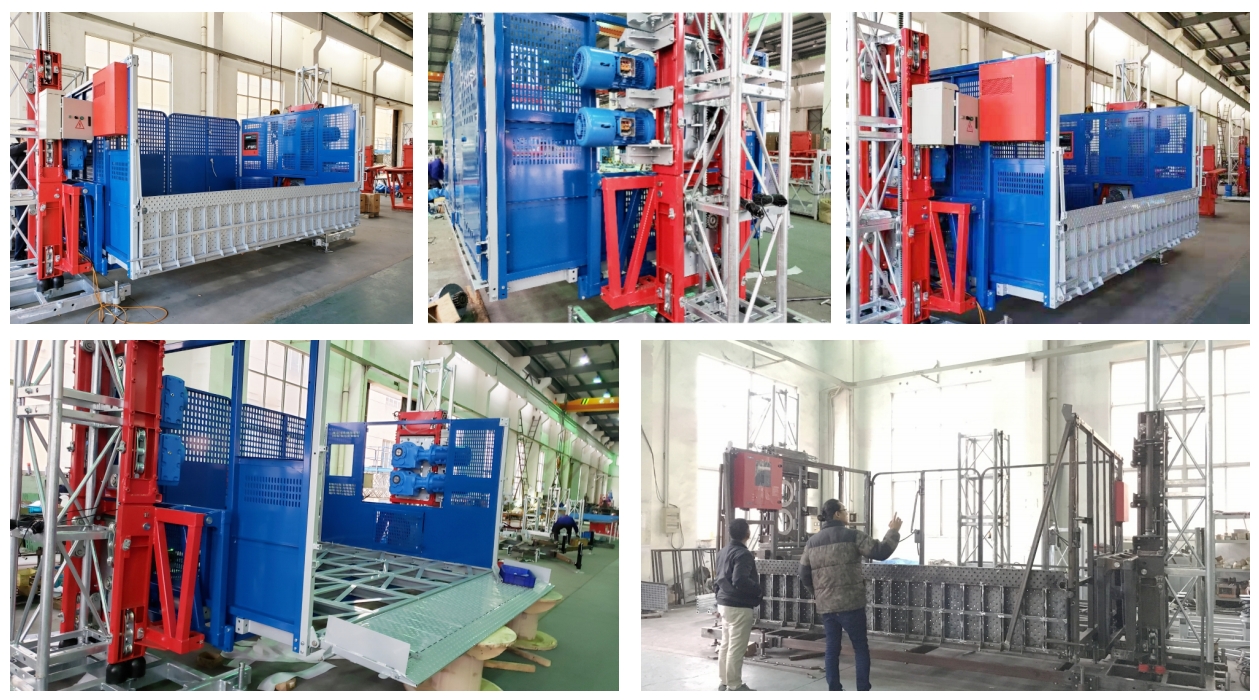
Highly visible, permanent Safe Working Load (SWL) signage is an absolute necessity. This signage must account for both static loads (the weight of materials resting on the deck) and dynamic loads (the impact force of a crane landing a load). Site crews must be able to verify capacity limits instantly. Faded, obscured, or missing SWL markings lead directly to accidental overloading, which is a primary cause of structural failure. We mandate that SWL signs are stamped metal, riveted to the frame, not just painted on, because paint wears off after a few months of heavy boots and dragging pallets.
Evaluating the platform’s structural rigidity involves understanding acceptable deflection tolerances under maximum payload. When a multi-ton load is placed on the cantilevered edge, the deck will naturally deflect. However, this deflection must remain within strictly engineered limits to prevent permanent deformation of the steel frame. Excessive deflection creates an uneven working surface, increasing the risk of material shifting and worker slips. You can actually measure this during the initial load test on site; if the deck bows more than the manufacturer's spec, you stop work immediately.
Slab attachment and anchor methods dictate how the platform transfers weight safely to the concrete slab without causing structural stress to the building. The choice between shoring props and bolt-through systems depends entirely on the floor height and slab design.
| Anchoring Method | Mechanism | Best Use Case | Structural Impact |
|---|---|---|---|
| Shoring Props | Adjustable heavy-duty props bracing between the floor and ceiling slabs. | Standard floor-to-ceiling heights with cured concrete. | Distributes load vertically; requires sufficient compressive strength in both slabs. |
| Prop-less (Bolt-through) | Bolted directly through the concrete floor slab using engineered anchors. | High-clearance floors, rooftops, or areas where ceiling props obstruct work. | Concentrates load on the floor slab; requires verification of slab shear strength. |
| H-Frame Anchors | Steel frames bolted to the slab edge or cast-in channels. | Structures with exposed slab edges and no overhead cover. | Transfers moment forces directly into the slab edge; requires heavy reinforcement. |
Perimeter guardrails and kickboards must meet strict specifications for minimum height, impact resistance, and gap tolerances. These components are the primary defense against personnel falls and tool drops. Kickboards (toe boards) must be flush with the deck surface to prevent screws, hand tools, or debris from being kicked off the edge, which poses a lethal threat to workers on lower levels or the public below. We look for solid steel kickboards welded to the frame, rather than flimsy timber boards bolted on as an afterthought.
Dual-gate interlock systems represent a significant advancement in leading-edge safety. These systems feature self-closing, mechanically locking inboard gates and outboard barriers designed to ensure a continuous safety barrier is maintained. When the outboard gate is open to receive a crane load, the inboard gate locks, preventing workers from accessing the open edge. This mechanical isolation removes the risk of human error during the critical landing phase. It forces the crew to follow the correct sequence of operations.
Harness anchor points are a mandatory requirement for workers receiving materials at the leading edge. These cannot be arbitrary points on the frame. They must be engineered, tested, and clearly marked tie-off points (such as heavy-duty D-rings) specifically rated for fall arrest loads. Workers must have immediate access to these points before stepping onto the cantilevered section of the deck. The anchor points should be positioned to minimize swing fall hazards, keeping the worker's lanyard as short and direct as possible.
For a high rise loading platform, fail-safe locking pins are critical. These systems utilize primary and secondary mechanical locks to secure a retractable deck in both the extended (working) and stowed (retracted) positions. Relying on a single locking mechanism introduces a single point of failure. Dual-action pins ensure that even if one pin is accidentally dislodged or fails, the deck remains securely locked, preventing unintended rollout or retraction. We train crews to physically shake the locking handle to confirm engagement before signaling the crane.
Smooth-roll bearings and housed roller systems are essential for operational safety. High-quality, sealed roller systems prevent the deck from jamming during extension or retraction. A jammed deck forces workers to use excessive physical force or unauthorized mechanical leverage (like pry bars) to move the platform, which can lead to sudden, uncontrolled movements, severe musculoskeletal injuries, or structural damage. Dirt, concrete slurry, and weather will destroy cheap bearings in weeks, so sealed units are non-negotiable.
Wind lock features are specific mechanical lockouts designed to secure the platform against high-velocity wind loads and uplift forces. High-rise environments experience complex wind dynamics. If a cantilevered deck is not mechanically locked down, sudden updrafts can cause the platform to lift or shift, destabilizing the load and compromising the anchor points. When the wind speed hits the site limit, the protocol is to retract the deck, engage the wind locks, and clear the area.
Analyzing deck surface materials is vital for preventing slips, trips, and falls. Heavy-duty checker plate steel, anti-slip mesh, or specially treated timber are common choices. The surface must provide high traction even in wet, muddy, or icy conditions. Smooth steel plates become extreme slip hazards when exposed to morning dew or light rain, making them unacceptable for leading-edge work. We prefer heavy-duty expanded metal mesh because it provides aggressive grip for work boots and allows debris to fall through rather than accumulating.
A self-draining configuration is equally important. The presence of drainage channels, perforated grates, or run-off slots prevents the pooling of rainwater, snow accumulation, and ice formation. Standing water not only creates a slip hazard but also accelerates corrosion of the deck material and adds uncalculated dead weight to the platform structure. If you are working in a winter climate, a solid steel deck will turn into an ice rink overnight, requiring constant salting and scraping, which damages the anti-corrosion coating.
Certification verification is the first step in the procurement process. Request structural calculation reports and Professional Engineer (PE) stamps for the specific model being evaluated. A platform without verifiable engineering documentation is a massive liability. These documents prove that the design can handle the stated SWL and dynamic impact forces safely. Do not accept generic letters of compliance; you need the actual engineering calculations tailored to the specific deck model and size you are renting or buying.
Evaluating the manufacturer's quality assurance involves looking for non-destructive testing (NDT) of critical welds and physical proof load testing. Reputable manufacturers will physically test their platforms to 1.5x or 2x the rated capacity to ensure the welds and structural members perform as engineered under extreme stress. NDT ensures there are no hidden micro-fractures in the load-bearing joints. Ask for the weld inspection reports before the equipment arrives on site.
Mapping platform features to specific occupational safety regulations regarding temporary working platforms and fall protection is necessary for site compliance. The equipment must meet or exceed the legal requirements for guardrail heights, gap tolerances, and fall arrest anchor strengths. Local authorities will shut down a site immediately if they spot a cantilevered deck that lacks proper toe boards or certified tie-off points.
Material traceability demonstrates the manufacturer's transparency. Knowing the exact steel grades used, reviewing weld testing certificates, and understanding the anti-corrosion treatments applied allows project managers to assess the true durability and safety margin of the equipment. Hot-dip galvanization provides a much thicker, more durable barrier against the elements compared to standard powder coating, which chips easily when hit by crane chains or heavy pallets.
Assessing whether the platform features a modular design determines its scalability. As the building progresses vertically, platforms need to be relocated frequently. A modular design allows for rapid disassembly, lifting, and reinstallation without requiring specialized tools or excessive downtime. This adaptability keeps the material supply chain moving smoothly alongside the construction schedule. You want a system that uses standardized pins and bolts, so if a piece is dropped, you aren't waiting weeks for a custom replacement part.
Crane time optimization is a direct result of well-engineered safety features. Dedicated, certified lifting lugs and a balanced center-of-gravity design reduce the time required for crane-assisted relocation. When a platform is perfectly balanced, riggers can attach the chains quickly, and the crane operator can lift the unit without fighting a severe tilt, saving valuable minutes during every jump. We calculate crane time down to the minute; a deck that takes two hours to jump instead of thirty minutes costs the project thousands of dollars in lost productivity.
Analyzing the trade-off between rigidly fixed platforms and highly engineered retractable systems requires looking beyond the initial purchase order. Fixed platforms generally have a lower upfront acquisition cost. However, retractable systems offer superior safety and longevity. Retractable decks allow the crane rope to remain perfectly vertical during loading, eliminating dangerous load swinging. Over a multi-year project, the reduction in crane time and the mitigation of accident risks make retractable systems significantly more valuable. A swinging load on a fixed deck can easily strike the building facade, causing expensive damage and severe safety hazards.
The safety implications of modifying standard platforms versus procuring custom-engineered solutions for complex building geometries must be carefully weighed. Field modifications to a standard platform instantly void the engineering certification and introduce unknown structural weaknesses. For buildings with curved facades, deep balconies, or unusual column spacing, investing in a custom-engineered solution from the manufacturer is the only safe approach. Never let a site welder cut and shut a certified lifting frame to make it fit a tight corner.
Evaluating the training burden involves looking at how intuitive the safety features are. Complex systems with multiple manual levers and confusing locking sequences introduce user error. Passive, engineered-in safety—such as gravity locks, self-closing gates, and clear visual indicators—reduces reliance on perfect human compliance. The safest equipment is the equipment that is easiest to use correctly. If a worker has to read a manual every time they want to extend the deck, the design is flawed.
During crane-assisted lifting and relocation, the primary risks include rigging failures, unbalanced loads, or platform instability. If a platform tilts dramatically during a lift, it can strike the building facade or drop loose components. The dynamic forces exerted on the rigging hardware during a lift are substantial, especially if the crane operator has to maneuver the deck through tight spaces between scaffolding and the building edge.
To mitigate these risks, require platforms with clearly defined, certified lifting points. Provide site crews with comprehensive rigging diagrams supplied by the manufacturer. Implement mandatory pre-lift inspection checklists to ensure all loose items are removed from the deck, locking pins are engaged, and rigging hardware is fully rated for the load. We use a strict numbered protocol for jumping decks:
Site crews facing tight deadlines may attempt to exceed the SWL, bypass safety gates to speed up access, or manually force jammed decks using heavy machinery. This operational misuse directly compromises the structural integrity of the platform and endangers everyone in the vicinity. We have seen crews try to use a forklift to push a jammed deck out, which instantly bends the roller tracks and ruins the equipment.
Mitigation requires strict daily inspection protocols. Mandatory operator training must be provided by the platform supplier or a competent site trainer. Routine safety audits should specifically target platform usage, ensuring that crews are checking the SWL signage against the known weight of incoming material bundles. The crane operator also plays a vital role here; they must know the weight of the load on the hook and refuse to land it if it exceeds the deck's posted capacity.
Over a multi-year project, equipment is subjected to harsh environmental conditions. Corrosion, seized bearings, or damaged shoring props can slowly compromise structural integrity. A platform that was safe on day one may become a hazard by month twelve if neglected. Concrete dust mixes with rain to form a hard crust over moving parts, locking up pins and hinges.
Establish a scheduled maintenance cycle that includes cleaning roller tracks, lubricating moving parts, and inspecting welds for rust. Utilize platforms with hot-dip galvanized finishes for superior weather resistance. Mandate the immediate removal and replacement of any deformed structural components, bent props, or damaged guardrails. Do not attempt to straighten bent shoring props with a sledgehammer; once the steel yields, its compressive strength is permanently compromised.
A loading platform is a life-critical piece of equipment. The safety features integrated into its design cannot be compromised for short-term cost savings. Structural redundancy, passive fall protection, and verified engineering compliance are absolute necessities for protecting site personnel and maintaining operational continuity in high-rise construction. You are relying on this equipment to hold tons of material suspended hundreds of feet in the air; there is no room for error.
When evaluating suppliers, decision-makers should filter options first by engineering certification and integrated fall protection systems. Once safety baselines are met, evaluate operational efficiency, ease of relocation, and the quality of the retraction mechanisms. A deck that is safe but impossible to move efficiently will end up costing the project heavily in lost crane time.
To ensure site safety, take the following actions:
A: Standard Safe Working Loads (SWL) typically range from 2 to 5 tons. It is crucial that this capacity accounts for dynamic loads—the impact force generated when a crane lands heavy materials—not just the static weight of the materials resting on the deck.
A: Retraction allows the platform to be pulled back flush with the building envelope when not in use. During material delivery, it extends out, allowing the crane rope to remain vertical. This prevents dangerous load swinging and significantly reduces worker exposure to the leading edge.
A: Safety regulations require a combination of passive and active systems. Passive protection includes perimeter guardrails and kickboards. Active protection requires workers to wear full-body harnesses tied off to engineered, certified anchor points integrated into the platform's structure.
A: The site crew must perform visual checks daily before use, looking for obvious damage, missing pins, or debris in the roller tracks. A formal, documented inspection by a competent person or structural engineer should occur periodically, typically weekly or after any severe weather event.
A: No. Installation requires specific concrete slab strengths and structural configurations. Post-tensioned slabs require extreme caution and specialized prop-less anchoring to avoid drilling into tension cables. Always consult a structural engineer to verify the building can support the platform's loads.
A: Propped installations use adjustable heavy-duty posts braced between the floor and ceiling slabs to distribute weight vertically. Prop-less installations bolt directly through the floor slab. Prop-less is preferred when ceiling heights are too high for props or when overhead space must remain clear.
A: Manufacturers specify maximum operational wind speeds, often around 20 to 25 mph (32 to 40 km/h), depending on the model and load surface area. During severe weather or high winds, platforms must be fully retracted, cleared of materials, and mechanically locked down.


