 注: 建议图片大小150px*50px
丨
English
注: 建议图片大小150px*50px 


Views: 0 Author: Site Editor Publish Time: 2025-08-21 Origin: Site


When it comes to high-access work, ensuring the safety of personnel is non-negotiable. A suspended platform provides efficient vertical access for façade work, curtain wall installation, and maintenance of high-rise structures, but improper use can lead to serious accidents. Before anyone steps onto a suspended platform, verifying design limits, structural anchors, hoists and ropes, fall protection, personnel training, and emergency planning is crucial. Following a suspended platform checklist can help site supervisors, safety officers, and contractors ensure suspended scaffold safety and compliance with relevant regulations. At Shenxi Machinery, we are committed to delivering high-quality suspended access equipment while emphasizing safety for every work site. Using the right platform with the correct pre-use checks not only prevents accidents but also improves work efficiency and reduces downtime.
Every suspended platform installation must be overseen by a competent person or a Temporary Works Designer. Approval documentation, including installation drawings, load ratings, and safety certificates, should be readily available for inspection. Competent personnel can identify potential hazards, ensure that the platform is installed according to specifications, and confirm that all safety measures comply with local and international regulations. By involving qualified experts, construction teams can proactively prevent structural failures and operational mishaps.
A proper temporary works register entry helps track installations, inspections, and maintenance schedules. Method statements provide step-by-step guidance for platform assembly and safe operation, while a permit to work ensures that the task has been formally authorized and risk-assessed. These documents are critical for accountability and provide a clear reference in case of audits or incident investigations, helping maintain high suspended scaffold safety standards.
Anchor points must be carefully inspected for structural integrity, corrosion, and proper positioning. Structural adequacy ensures that the platform can support both personnel and material loads safely. Regular checks, including visual inspections and mechanical testing, help detect weaknesses early, reducing the risk of catastrophic failure. A well-secured roof interface guarantees that the suspended platform operates smoothly and reliably, even under dynamic loads.
Anchor certificates and structural calculation reports confirm that the platform’s anchorage system meets required safety standards. These documents should detail load capacities, safety factors, and installation procedures. Keeping these records on-site ensures transparency and demonstrates compliance with safety regulations, which is essential for project approval and insurance purposes.
Hoists are the lifeline of a suspended platform. Inspect each hoist for valid certification, proper operation, and rated load markings. The load plate should clearly indicate the maximum allowable weight, and this should match the intended load for the day. Checking hoists daily reduces mechanical failure risks and enhances worker confidence in platform safety.
Ropes, slings, and connectors must meet or exceed OSHA-mandated safety factors. Regular inspections for fraying, corrosion, and mechanical wear are mandatory. Using ropes and connectors that comply with safety standards ensures that any unexpected load or movement does not compromise the platform, which is a critical component of suspended scaffold safety.
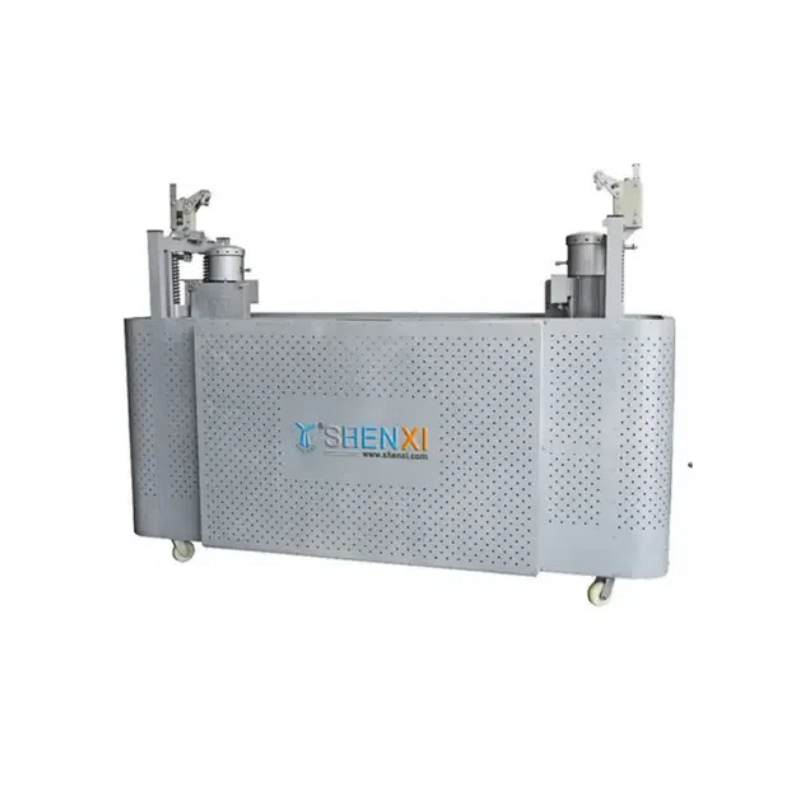
Installing guardrails around all open edges of the platform prevents accidental falls. Personal fall arrest systems (PFAS) should include harnesses, lanyards, and secure anchorage points. Workers must know how to attach and detach safely, and the system must allow freedom of movement without reducing safety.
All personnel should wear appropriate PPE, including helmets, gloves, and harnesses. Training records should be up-to-date, verifying that workers understand fall hazards, proper platform operation, and emergency procedures. Continuous training and competency verification are essential for maintaining a culture of safety.
Before daily use, test hoists, limit switches, and emergency stop mechanisms. Ensure the platform raises and lowers smoothly and that all control buttons respond correctly. This operational verification prevents sudden failures and reinforces worker confidence.
Check that deck panels are secure, gates function correctly, and locking devices are in good working order. Remove loose tools or materials that could fall during operation. Regular inspections reduce the likelihood of workplace injuries and support compliance with safety protocols.
A written and accessible rescue plan is mandatory. Trained rescue personnel should be present on-site, equipped with ladders, ropes, or other rescue devices. The plan must include step-by-step procedures for different scenarios, ensuring that any incident can be addressed immediately to protect workers’ lives.
Reliable communication between the platform, roof, and ground personnel is crucial. Radios, signaling devices, or intercoms allow rapid coordination during emergencies. Maintaining robust communication channels enhances suspended scaffold safety and reduces response times during critical situations.
A clear plan for material handling prevents overloading. Define maximum allowable loads, distribute weight evenly, and monitor adherence. Overloading can compromise platform stability and endanger workers, making load planning an essential component of safety management.
A clean, organized worksite minimizes trip hazards and prevents materials from falling. Implementing proper storage, regular waste removal, and clear signage contributes to safer, more efficient operations.
For ease of reference, here is a compact 10-point checklist that site supervisors and contractors can print and use:
Competent person or Temporary Works Designer sign-off
Anchor verification and certificate on file
Hoist inspection certificates
Load plate matches intended load
Guardrails and handrails installed
PPE fit and worker training confirmed
Written rescue plan and trained personnel ready
Pre-start function test of hoists and platform mechanisms
Permit to work and method statement available
Supervisory control and monitoring on-site
This suspended platform checklist covers all the critical safety steps required before using a suspended platform. Implementing these checks enhances suspended scaffold safety and helps maintain a reliable, compliant work environment. Regular review and updating of the checklist ensure that it remains relevant as regulations evolve.
Ensuring safety on a suspended platform requires careful attention to personnel competency, structural integrity, operational readiness, fall protection, and emergency planning. Shenxi Machinery’s suspended access equipment is designed with these safety considerations in mind, making it easier for operators to comply with regulations while improving efficiency and productivity. By following a comprehensive suspended platform checklist, every work shift can be conducted with confidence and minimal risk. For more information about our high-quality suspended platforms and other access equipment, please contact us today.


