 注: 建议图片大小150px*50px
丨
English
注: 建议图片大小150px*50px 


Views: 0 Author: Site Editor Publish Time: 2025-12-27 Origin: Site


Scissor lifts are crucial for many industries, offering a stable platform for working at height. But do you know how to operate one safely? Incorrect use can lead to accidents, affecting productivity and safety. In this article, we'll discuss the key aspects of using a scissor lift effectively. From basic controls to essential safety checks, you will learn how to operate a scissor lift with confidence, ensuring both safety and efficiency. By the end of this guide, you’ll have a clear understanding of how to use a scissor lift, and you’ll be able to apply best practices for safe operations.
A scissor lift is an aerial work platform that uses a crisscrossing mechanism of steel supports to lift a platform vertically. This mechanism, which resembles the action of scissors, allows the platform to extend and retract smoothly. Scissor lifts are used primarily for tasks that require workers to access elevated areas, such as construction, maintenance, and inventory management.
Key components of a scissor lift include:
| Component | Description | Function | Key Considerations | Power Source Options |
|---|---|---|---|---|
| Platform | The elevated work surface | Provides the area where workers perform tasks | Ensure platform is stable and secure for worker safety | N/A |
| Scissor Legs | The crisscrossing support structure | Raises and lowers the platform in a smooth, controlled motion | Check for wear and tear, ensure proper alignment | N/A |
| Hydraulic Cylinders | Power the lifting mechanism | Drives the movement of the scissor legs to elevate the platform | Regular maintenance is essential for smooth operation | Electric, Hydraulic, Pneumatic, Diesel |
| Base | The stationary foundation of the lift | Provides stability and supports the entire lift structure | Ensure base is on level ground for safety | N/A |
| Power Source | The energy source that powers the lift | Powers the hydraulic cylinders and controls for movement | Choose power source based on job site requirements (e.g., indoor vs outdoor) | Electric, Hydraulic, Pneumatic, Diesel |
There are several types of scissor lifts, each suited for different applications:
Electric Scissor Lifts: These lifts are ideal for indoor environments such as warehouses or retail spaces due to their quiet operation and low emissions. They typically have a maximum working height of around 32 feet and are highly valued in spaces where air quality and noise control are crucial.
Rough Terrain Scissor Lifts: Built for outdoor applications, these lifts feature larger, knobby tires and heavy-duty engines, making them perfect for construction sites and landscaping work. They can reach heights of up to 50 feet and are designed to handle uneven, rocky, or muddy surfaces, offering increased stability and mobility.
Compact Scissor Lifts: Known for their compact design, these lifts are typically used in tight spaces such as narrow aisles or crowded construction areas. They can easily fit through standard doorways and offer a working height of 20-30 feet, making them versatile for both indoor and small outdoor jobs.
Scissor lifts are highly versatile and serve many industries with specialized applications:
Construction: Beyond basic tasks like painting and electrical work, scissor lifts are essential for high-rise installation of structural elements, allowing workers to safely reach heights of up to 50 feet. They also enhance productivity by reducing the need for ladders or scaffolding.
Warehouse Operations: In warehouses, scissor lifts streamline stock picking and inventory management, improving efficiency in large storage facilities. They can reach high storage racks and help maintain safety standards by reducing manual lifting.
Event Setups: For entertainment events, scissor lifts are often used to set up large stages, lighting, and sound systems. Their ability to lift heavy equipment to significant heights allows for precise adjustments, ensuring high-quality setups.
Film Production: In film production, scissor lifts are indispensable for mounting cameras, lights, and rigs in complex environments. Their compact design allows for easy movement between tight spaces on set, helping film crews access hard-to-reach locations.
Before operating a scissor lift, it's important to understand the key components on the control panel. These controls ensure safe and smooth operation, whether you are adjusting the platform or moving the lift.
| Control Panel Component | Description | Application Area | Considerations | Technical Specifications |
|---|---|---|---|---|
| Emergency Stop Button | Used to stop the operation of the lift in emergencies | Emergency shutdown of all operations | Test functionality before use | Must be checked for operability before each use |
| Key Switch | Powers the lift system on or off | Controls lift system operation | Ensure the key turns smoothly to avoid accidental operation | Locking position should be checked |
| Raise/Lower Switch | Adjusts the platform height | Controls platform elevation | Ensure smooth and steady movement, avoid rapid ascents/descents | Minimum lifting speed: 10 cm/s |
| Indoor/Outdoor Mode Button | Switches between indoor and outdoor operation modes | Indoor/Outdoor terrain use | Switch to appropriate mode based on the environment | Outdoor mode supports max tilt of 15° |
| Mode Selector Switch | Allows switching between "Drive Mode" and "Lift Mode" | Move or lift the platform | Ensure lift is in "Lift Mode" before elevating platform | Automatic mode switching feature available |
Tip: Always test the emergency stop button before use to ensure it functions properly, especially in emergency situations.
Each scissor lift model has slightly different controls, but generally, base controls include the emergency stop to immediately stop operations, while platform controls include the mode selector and joystick for adjusting movement. The emergency stop should always be tested before operation to ensure safety in case of any malfunction.
Properly starting and stopping the scissor lift is essential for both safety and operational efficiency. Follow these steps to ensure correct procedures are followed:
Disengage the Emergency Stop:
Ensure that the emergency stop button is disengaged before starting the lift. This will allow the lift to function normally. Always check that the emergency stop is not pressed, as this would prevent the lift from operating.
Turn on the Power:
Insert the key into the control panel and turn it to the "on" position. This will activate the lift’s power system, including the hydraulic and electrical systems. Confirm that all control lights and systems are functioning properly before proceeding.
Raise the Platform:
Once powered on, use the control panel to raise the platform to the required height for your tasks. Ensure the platform moves smoothly and without obstruction. Keep an eye on your surroundings to avoid hitting any overhead or side obstacles.
Lower the Platform After Use:
When finished, always lower the platform fully to the ground. This ensures stability and prevents accidents caused by an elevated platform when not in use. It also prevents unintentional movement of the lift.
Shut Down the Lift:
After lowering the platform, engage the emergency stop button to stop all lift operations. Turn off the power by removing the key or switching it to the off position. Always ensure the platform is fully lowered before powering off the lift.
Post-Operation Check:
After powering down, perform a quick inspection of the lift. Look for any signs of malfunction, such as hydraulic leaks or electrical issues, and address them before the next use. Always report any maintenance needs immediately.
Tip: Regularly test the emergency stop and power-off functions before use to ensure the lift is always ready for safe operation.
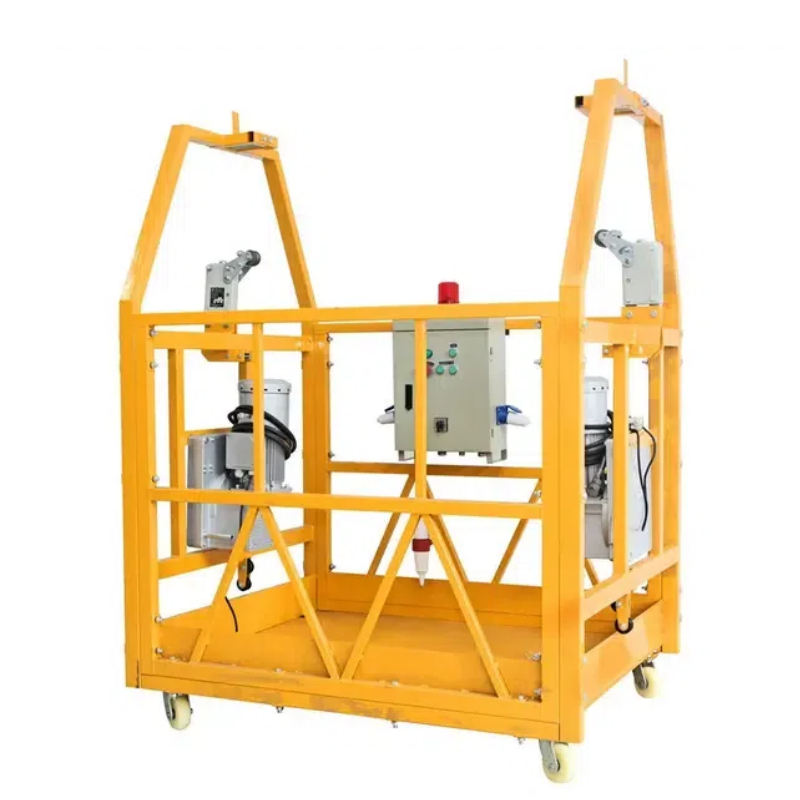
| Preparation Task | Detailed Description | Application Area | Considerations | Technical Specifications |
|---|---|---|---|---|
| Equipment Inspection | Check the lift's tires, hydraulic systems, and battery/fuel levels | All operations | Ensure all systems are functional before use | Hydraulic fluid: Meet standards, tires without wear |
| Work Area Clearance | Ensure the work area is level and free from obstructions | Indoor and outdoor job sites | Ensure there are no pits or loose materials that may cause instability | Ground level requirement: ≤2° |
| Personal Protective Equipment (PPE) | Ensure proper safety gear is worn (harness, hard hat, slip-resistant footwear) | High-altitude tasks | Check that safety gear is securely fastened | Safety harness: Meets ANSI standards |
Tip: Always inspect the work area for any obstructions or uneven ground before setting up the scissor lift to prevent instability.
| Task | Description | Application Area | Considerations | Technical Specifications |
|---|---|---|---|---|
| Insert the Key | Place the key into the control panel and turn it to the "on" position. | Powering the lift system | Ensure the key turns smoothly and fully; avoid forced turning | Key switch standard: Must engage with full rotation |
| Unlock Emergency Stop Button | Ensure that the emergency stop button is disengaged and functional. | Emergency safety system | Check functionality before operation to ensure quick shutdown | Must be checked every time before starting the lift |
| Check Platform Safety | Ensure the platform's gate is securely closed and locked. | Platform safety | Verify lock mechanism and gate are intact to prevent accidental opening | Lock mechanism: Must be securely engaged |
| Task | Description | Application Area | Considerations | Technical Specifications |
|---|---|---|---|---|
| Mode Selection | Choose between drive mode or lift mode. | Mobility or platform adjustment | Ensure correct mode is selected for the intended task. Mis-selection can lead to operational failure. | Mode change button should be easily accessible |
| Using the Joystick | In lift mode, push the joystick forward to raise the platform or pull it back to lower it. In drive mode, use the joystick to control direction. | Vertical movement or horizontal movement | Use smooth, controlled movements to avoid sudden shifts in platform height or position. | Joystick movement range: ±45° |
| Adjust Speed | Set the speed control to a comfortable level for movement and stability. | Movement speed control | Adjust speed based on task requirements and surrounding space for optimal control. | Speed range: Adjustable from slow to fast movement |
| Task | Description | Application Area | Considerations | Technical Specifications |
|---|---|---|---|---|
| Platform Movement | Use the joystick to maneuver the lift into position. | Positioning the lift | Move the lift slowly and avoid sharp turns to prevent tipping. | Maximum turning angle: 90° |
| Check Surroundings | Always monitor surroundings to avoid collisions with obstacles. | Safe environment operation | Keep a safe distance from walls, equipment, and personnel while operating. | Safe clearance: Minimum 3 feet from obstacles |
| Ensure Sufficient Workspace | Ensure that the platform is clear of people and objects, especially when working at heights. | High-altitude work | Ensure no personnel are within the platform's range of motion, and avoid clutter. | Work space clearance: At least 5 feet below platform |
| Task | Description | Application Area | Considerations | Technical Specifications |
|---|---|---|---|---|
| Slow and Steady Ascent/Descent | Always operate the lift at a controlled speed for smooth elevation and lowering. | Vertical adjustments | Avoid abrupt movements to prevent instability. | Elevation speed: Adjustable between 10 cm/s and 30 cm/s |
| Monitor for Overhead Obstacles | Check for overhead hazards like power lines or low ceilings during ascent. | Height clearance | Always plan the movement path and ensure there are no overhead obstructions. | Minimum clearance: 2 feet from overhead obstacles |
| Avoid Platform Overextension | Ensure the platform is not extended too far, which could lead to instability. | Safe working height | Monitor platform extension to avoid reducing stability. | Maximum extension limit: 70% of total height |
Tip: Always raise or lower the platform slowly, particularly when close to obstacles, to prevent sudden shifts in balance.
Lower the Platform Completely: Before moving the lift, always ensure the platform is fully lowered. This prevents accidental tipping and enhances stability when the lift is in motion. If the platform is left elevated, the center of gravity shifts, increasing the risk of a fall.
Emergency Stop Function: In case of an emergency, pressing the emergency stop button immediately halts all lift operations. It’s crucial to familiarize yourself with the location and function of this button before using the lift to ensure a quick response in dangerous situations.
Parking and Power Off:After completing tasks, park the lift on level ground to ensure it remains stable. Turning off the power prevents unintended movements. It’s important to conduct a post-operation inspection for any damage or malfunctions to ensure the lift is safe for the next use. Regular maintenance checks, such as inspecting hydraulic systems and electrical connections, will extend the lift’s lifespan and prevent breakdowns.
PPE is essential for ensuring the safety of the operator while using a scissor lift. Wearing the correct gear can prevent serious injuries and ensure that the operator is protected from potential hazards.
| PPE Component | Description | Application Area | Considerations | Technical Specifications |
|---|---|---|---|---|
| Harness | Prevents fall injury, ensures operator is securely attached to the lift | High-altitude work on platform | Check for any damage or loosening of harness before use | Must meet ANSI A10.32 standards |
| Hard Hat | Protects against head injuries, provides additional protection | On the lift platform and surrounding area | Ensure hard hat fits properly, not too loose or too tight | Meets industrial hard hat standards |
| Slip-resistant Footwear | Provides ground traction, reduces risk of slipping | While operating the lift, especially on wet surfaces | Regularly inspect for wear, ensure the soles are in good condition | Sole slip resistance level: EN ISO 20345 |
| Gloves | Provides hand protection, avoids direct contact with the lift | Increases comfort and reduces direct contact | Ensure gloves are the right size to avoid interference with controls | Meets CE EN388 standards |
Tip: Always check the fit of your PPE, especially the harness, to ensure maximum safety during operation.
Always lock the gate and maintain three points of contact when entering the platform. An unlocked gate can lead to serious accidents, so always ensure it is securely closed before accessing the lift. Maintaining three points of contact—either two hands and one foot, or two feet and one hand—greatly reduces the risk of falling, especially when the lift is in motion or on uneven ground. Studies show that using three points of contact can reduce fall-related injuries by up to 70%.
Do not overload the platform and ensure there is adequate overhead clearance for the lift to operate safely. Overloading the platform can compromise the lift's stability and cause hydraulic or mechanical failure. Always verify the weight capacity and ensure the load is within safe limits. Additionally, check for overhead hazards like low ceilings or power lines that could pose a danger when the platform is raised. Insufficient clearance is a common cause of accidents, so always ensure the area above the lift is clear before operation.
Pre-Operation: Always perform a thorough inspection of the scissor lift before use. Check for signs of wear, hydraulic leaks, tire pressure, and battery levels (if applicable). Verify that all safety features, such as the emergency stop button, platform locks, and guardrails, are fully operational. Neglecting these checks can result in equipment failure or accidents. Research shows that conducting pre-operation inspections reduces accidents by 30% by identifying issues before they cause harm.
Post-Operation: After each use, perform a post-operation inspection to identify any wear, damage, or hydraulic system leaks. Report any issues immediately for timely repairs to prevent further malfunctions. Proactively addressing these problems can extend the lifespan of the lift and reduce downtime. According to industry standards, regular maintenance can increase equipment lifespan by up to 20%, ensuring the lift is safe for future use.
Scissor lifts are complex machines that may encounter mechanical issues over time. Knowing how to troubleshoot common problems can prevent downtime and ensure safe operations.
| Issue | Possible Cause | Solution | Application Area | Technical Specifications |
|---|---|---|---|---|
| Hydraulic System Failure | Hydraulic fluid leak or pump malfunction | Replace hydraulic fluid, inspect pump and lines, perform system test | Hydraulic-powered scissor lifts | Hydraulic fluid standard: ISO 46 |
| Control Panel Malfunction | Loose electrical connections, damaged control systems | Inspect electrical connections, reset or replace control modules | All scissor lifts | Control system must meet CE certification |
| Battery Drain | Insufficient charging or old batteries | Replace batteries, inspect charging equipment | Electric scissor lifts | Battery capacity: 12V 150Ah |
| Platform Instability | Uneven ground, overloading, or unstable equipment | Ensure lift is on stable ground, adjust workspace, avoid overload | Elevated work, warehouse management | Lift load standard: According to model |
Tip: Always perform a thorough inspection of the hydraulic system and electrical components before use to avoid common malfunctions.
In case the scissor lift stops functioning unexpectedly, it's critical to remain calm and act swiftly. If the lift has a manual lowering system, engage it to safely bring the platform down. If not, immediately activate the emergency stop button to halt all operations and prevent further movement. Once the platform is safely lowered, assess the situation and check for potential causes, such as hydraulic failure or electrical malfunctions. Regular training on emergency procedures can reduce response time by up to 50%, minimizing the risk of injury or further equipment damage.
Always ensure that the lift has stabilizers deployed when working on uneven terrain to maintain balance. Uneven ground or sloped surfaces can increase the risk of tipping, especially when the platform is elevated. Avoid high-speed operation on rough surfaces, as quick movements can destabilize the lift. According to safety standards, stabilizers should be checked before every use, particularly in outdoor settings. Studies show that using stabilizers and operating at controlled speeds reduces the risk of tipping by up to 40%, ensuring safer operations in challenging environments.
Continuous training is crucial for scissor lift operators to stay updated on the latest safety protocols and operational techniques. Regular training ensures operators are familiar with the lift's functionality, emergency procedures, and proper use of safety features. According to OSHA guidelines, operators who undergo certified training reduce the risk of accidents by 60%. Periodic re-certification also helps reinforce key safety measures, making the workplace safer and more efficient.
Routine maintenance is vital for ensuring the scissor lift remains in optimal working condition. Regularly inspect the hydraulic systems, battery, tires, and safety features such as the emergency stop button and guardrails. A study by the National Safety Council found that lifts with regular inspections experience 35% fewer malfunctions. Performing these checks before and after use not only extends the lifespan of the equipment but also significantly reduces the likelihood of unexpected failures during operations.
Effective communication between operators and ground personnel is crucial for preventing accidents. Establishing clear communication protocols ensures that everyone on-site is aware of the lift's movements, potential hazards, and emergency procedures. Research shows that workplaces with strong communication protocols see a 40% reduction in accidents. Using radios, hand signals, or other methods to relay information in real-time allows for safer operations, especially in busy or high-risk environments.
In this guide, we've explored the key aspects of using a scissor lift safely and effectively. From understanding its components and controls to ensuring safe operation, following the outlined procedures helps maximize both safety and efficiency. Remember to always inspect the lift before use and follow best practices for operation and maintenance. For those seeking high-quality, reliable scissor lifts, Shenxi Machinery Co., Ltd. offers advanced models designed for various industrial applications. Their lifts are known for exceptional durability and safety features, ensuring optimal performance and long-term value. Whether you are looking for a scissor lift for construction, warehouse operations, or event setups, Shenxi Machinery Co., Ltd. provides products that meet industry standards and enhance productivity.
A: A scissor lift is an aerial work platform that uses a crisscrossing mechanism to raise and lower a platform vertically. It is commonly used for tasks that require workers to reach elevated areas, such as construction and maintenance.
A: To operate a scissor lift safely, always inspect the lift before use, check for defects, and ensure all safety features are operational. Maintain three points of contact when entering the platform, and avoid overloading the lift.
A: Pre-operation inspections are crucial for ensuring the scissor lift is in good condition. This helps prevent malfunctions, improve safety, and reduce the risk of accidents. Always check the hydraulic system, platform, and safety controls.
A: The weight capacity of a scissor lift depends on the model. Typically, it ranges from 500 to 2,500 lbs. Always check the manufacturer's specifications to avoid overloading, which can lead to instability and equipment failure.
A: If your scissor lift stops working, check for common issues like hydraulic leaks, battery power, or faulty controls. Consult the manual and, if necessary, contact a professional for repair or maintenance. Regular inspections can help prevent these issues.


