 注: 建议图片大小150px*50px
丨
English
注: 建议图片大小150px*50px 


Views: 0 Author: Site Editor Publish Time: 2025-12-22 Origin: Site


Scissor lifts are essential in many industries, from construction to maintenance. They provide a stable platform for workers to reach heights safely. But did you know the weight of a scissor lift plays a huge role in project planning? In this article, we’ll explore how weight influences scissor lift performance, transportation, and safety. You’ll learn what factors affect their weight and how to choose the right one for your project.
The height of a scissor lift directly impacts its weight. Taller scissor lifts require stronger, more robust components to ensure stability at full extension. This means a lift that reaches 40 feet will naturally be heavier than a 19-foot model due to the additional structural material needed to support the higher platform.
Additionally, a larger platform adds weight. A wider or longer platform can accommodate more workers and materials, but it requires more materials to maintain its structural integrity. This contributes to an increase in weight.
Scissor lifts are powered by electricity, batteries, or internal combustion engines. The power source directly affects the weight, efficiency, and suitability for various applications, from indoor tasks to rugged outdoor environments.
| Power Source | Weight Impact | Application | Efficiency | Key Features | Considerations | Technical Specifications |
|---|---|---|---|---|---|---|
| Electric | Lighter due to compact design | Indoor use, warehouses, maintenance tasks | High efficiency in confined spaces | Quiet operation, zero emissions | Best for indoor use, limited by space and floor load capacity | Power type: Electric, Compact design |
| Diesel (Rough-Terrain) | Heavier due to larger components | Outdoor construction, uneven surfaces | Reduced efficiency on smooth surfaces | Heavy-duty tires, high stability for rough terrain | Requires more space for maneuvering, specialized transport | Power type: Diesel, Large frame |
| Gas (Rough-Terrain) | Similar to diesel | Outdoor use, rugged terrain | Lower efficiency on smooth surfaces | High torque for tough environments | Less efficient indoors, needs rugged terrain | Power type: Gas, Large frame |
Tip: When selecting a scissor lift, ensure the power source aligns with your project’s terrain and environmental needs. Electric lifts are perfect for indoor tasks, while diesel or gas models excel in rough outdoor environments.
Scissor lifts are categorized based on the type of terrain they are designed for. The choice between indoor slab models and outdoor rough-terrain models affects their weight, stability, and performance in different environments.
| Terrain Type | Weight Impact | Application | Efficiency | Key Features | Considerations | Technical Specifications |
|---|---|---|---|---|---|---|
| Indoor (Slab Models) | Lighter, compact design | Indoor tasks, smooth surfaces | High efficiency in confined spaces | Ideal for maintenance, warehousing, electrical work | Requires stable flooring, limited reach and capacity | Platform height: 15-32 ft, Power: Electric |
| Rough-Terrain (Outdoor) | Heavier, larger frames | Outdoor construction, uneven surfaces | More stable outdoors, less efficient indoors | Heavy-duty tires, enhanced stability features | Needs more space for maneuvering, special transport | Platform height: 26-60 ft, Power: Diesel/Gas |
Tip: For outdoor projects with uneven terrain, choose a rough-terrain lift for enhanced stability and safety. Ensure the terrain is suitable for heavy models to prevent ground damage.
A scissor lift’s weight is closely related to its load capacity. Lifts with higher load capacities generally weigh more, as they are built with stronger materials to handle heavier weights. Larger models, such as those designed to carry multiple workers and heavy equipment, tend to have a more robust frame, hydraulic system, and counterweights to ensure they can handle the extra load.
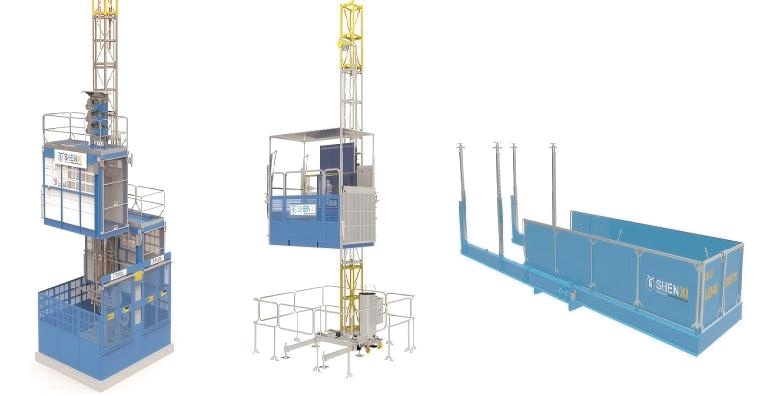
The weight of a scissor lift depends significantly on its height and platform size. Larger models with higher reach and bigger platforms will naturally be heavier. Understanding the weight range for different sizes helps you select the right lift for your project.
| Scissor Lift Size (Feet) | Weight Range (lbs) | Application | Key Considerations | Efficiency | Technical Specifications |
|---|---|---|---|---|---|
| Compact Electric (15-19 ft) | 2,500 – 3,500 | Indoor use, tight spaces | Ideal for warehouses, indoor maintenance | High maneuverability in confined spaces | Platform height: 15-19 ft, Power: Electric |
| Mid-Size Electric (20-32 ft) | 4,000 – 6,000 | Medium reach, warehouse, general maintenance | Suitable for larger indoor work environments | Moderate efficiency, stable indoors | Platform height: 20-32 ft, Power: Electric |
| Large Electric (33-45 ft) | 6,500 – 8,000 | Specialized indoor tasks | Designed for large indoor areas, requires strong floor | Moderate efficiency, limited to flat surfaces | Platform height: 33-45 ft, Power: Electric |
| Rough-Terrain (26-40 ft) | 6,000 – 12,000 | Outdoor construction, uneven ground | Built for outdoor jobs on rough terrain | Reduced efficiency on smooth surfaces | Platform height: 26-40 ft, Power: Diesel |
| Large Rough-Terrain (40-60 ft) | 10,000 – 20,000+ | Heavy-duty construction, extreme reach | Requires special transport for larger models | High efficiency outdoors, less maneuverable | Platform height: 40-60 ft, Power: Diesel |
Tip: Always choose a scissor lift based on the specific project needs—lighter models are better for tight indoor spaces, while heavier ones offer more stability for outdoor, rough terrain jobs.
The weight of a scissor lift plays a significant role in transportation logistics. Lighter lifts are easier to transport and cost less to move from job site to job site. However, larger, heavier lifts require specialized trailers and transport vehicles to ensure safe movement.
For example, a smaller electric lift might be transported by a standard flatbed truck, while a large rough-terrain lift requires a commercial flatbed. Transporting oversized lifts can be costly and time-consuming if you don't plan ahead.
Scissor lift weight is directly related to the ground pressure it exerts. The heavier the lift, the more pressure it places on the surface it’s used on. This can be an issue when using scissor lifts on sensitive flooring, such as in multi-story buildings or on surfaces like tile or wood, which might crack or warp under excessive pressure.
When using a scissor lift indoors, it’s crucial to verify that the floor can handle the weight of the lift. For outdoor environments, ensuring the ground is stable enough to support the lift is equally important to prevent the machine from becoming unstable.
Heavier scissor lifts are generally more stable, especially when used on rough terrain. They tend to have a lower center of gravity, which reduces the likelihood of tipping over when extended. However, the added weight can make them more difficult to maneuver, especially in tight indoor spaces.
On the other hand, lighter scissor lifts, while easier to maneuver, might struggle with stability on uneven terrain, making them unsuitable for outdoor or high-wind conditions.
Understanding your project’s needs is key to selecting the right scissor lift. If you’re working in an indoor environment with smooth surfaces, a lightweight electric scissor lift is likely the best option. However, for construction projects on uneven ground, a larger, heavier rough-terrain lift is necessary to provide stability and reach.
The platform size of the scissor lift must be adequate for the number of workers and materials you plan to carry. A larger platform typically requires a more robust and heavier lift. Be sure to match the platform size to your specific project needs, taking into account the total load you’ll need to lift.
Heavier lifts often have a higher load capacity, allowing them to lift more equipment and personnel. However, it’s important to balance the weight of the lift with your project’s transportation and floor loading limitations. Ensure that the lift you choose can handle the weight required without exceeding floor capacity or transport limitations.
Here’s a comparison of popular scissor lift models, highlighting their weight ranges, ideal applications, efficiency, key features, and technical specifications. This will help you choose the right lift for your specific project needs.
| Model | Lift Height (ft) | Weight Range (lbs) | Application | Efficiency | Key Features | Considerations | Technical Specifications |
|---|---|---|---|---|---|---|---|
| 19-Foot Scissor Lift | 19 | 2,700 – 3,500 | Indoor use, light load, small warehouse tasks | High maneuverability in confined spaces | Compact design, easy to transport | Best for tight spaces, requires stable flooring | Platform height: 19 ft, Power: Electric |
| 32-Foot Scissor Lift | 32 | 4,975 – 5,185 | Indoor tasks, larger spaces like convention halls or warehouses | Moderate efficiency indoors | More reach and capacity than smaller models | Needs larger floor capacity, higher stability | Platform height: 32 ft, Power: Electric |
| 50-Foot Rough Terrain Lift | 50 | 10,000 – 17,000 | Large-scale outdoor construction projects, heavy load tasks | High efficiency outdoors | Heavy-duty tires, high stability on rough terrain | Requires specialized transport for larger models | Platform height: 50 ft, Power: Diesel |
To accurately determine the weight of a scissor lift, it is essential to consult the equipment spec sheet provided by the manufacturer. This document typically includes detailed information on weight, platform size, load capacity, lifting height, and power source. For instance, a 19-foot electric scissor lift like the Skyjack SJ3219 weighs around 2,580 lbs, with a load capacity of 500 lbs. Understanding these specifications helps ensure the lift is suited for your project’s needs, whether it's for indoor maintenance or outdoor construction.
Knowing the precise weight of your scissor lift is crucial for various aspects of a project. For example, the weight impacts transportation logistics, as heavier models require specialized transport vehicles such as flatbed trucks. It also determines floor compatibility—overloading floors in multi-story buildings or warehouses can lead to structural damage. Additionally, accurate weight data ensures you select the right model for your terrain. A rough-terrain lift, for example, has a higher weight for stability, making it more suitable for outdoor work where heavier loads are common.
Understanding the weight of a scissor lift is crucial for choosing the right equipment for your project. Factors such as lift height, power source, terrain type, and load capacity all influence the lift's weight. Ensuring that the lift meets your specific needs will help avoid transportation issues, safety risks, and delays. By considering these factors, you can make informed decisions about the right scissor lift for your job. Shenxi Machinery Co., Ltd. offers a range of high-quality scissor lifts, known for their durability and stability. Their products provide exceptional value by offering both efficiency and safety, making them an ideal choice for various projects, from construction to maintenance.
A: The weight of a scissor lift varies depending on its size and power source. For example, compact electric lifts weigh around 2,500 – 3,500 lbs, while larger rough-terrain models can weigh up to 20,000 lbs or more.
A: The weight of a scissor lift affects transportation logistics, floor compatibility, and stability. Heavier lifts are more stable, especially on uneven terrain, while lighter models are easier to maneuver indoors.
A: To determine the exact weight, consult the equipment’s spec sheet. This will provide detailed weight information along with other important specifications like load capacity and platform size.
A: Electric scissor lifts are lighter and ideal for indoor use, while rough-terrain lifts are heavier due to their diesel engines and larger frames, designed for outdoor use on uneven surfaces.
A: Scissor lift weight influences transport costs, floor capacity, and stability. Choosing the correct weight helps avoid damage to surfaces and ensures safety during operation.


