 注: 建议图片大小150px*50px
丨
English
注: 建议图片大小150px*50px 


Views: 271 Author: Site Editor Publish Time: 2025-10-27 Origin: Site


Material hoists are essential equipment on construction sites, allowing for the safe and efficient transport of materials between different levels of a building. However, improper use or failure to adhere to safety standards can lead to serious accidents and even fatalities. Understanding what is prohibited on material hoists is key to ensuring their safe operation and preventing costly mistakes.
In this article, we will explore the various regulations and practices that should be avoided when operating material hoists. From the types of materials that are not allowed to be lifted to the safety measures that must be followed, this guide offers valuable insights for anyone involved in construction or industrial work involving material hoists.
One of the most common and dangerous mistakes on construction sites is overloading material hoists. Every material hoist is designed to lift a certain weight, and exceeding this limit can lead to equipment failure, including the risk of the hoist collapsing or the load becoming dislodged mid-transport.
Overloading material hoists not only risks the safety of workers but also violates workplace safety regulations. Hoists are equipped with load capacity ratings, and exceeding these limits can put unnecessary strain on the motor and structural components. This not only accelerates wear and tear but also increases the likelihood of mechanical breakdowns. Furthermore, loads that are too heavy can cause the hoist to sway or lose stability, putting everyone nearby in danger.
Always adhere to the manufacturer's load capacity specifications.
Utilize load monitoring devices and indicators that can alert operators when a load exceeds the safe limit.
Use proper material handling techniques to distribute the load evenly across the hoist.

Lifting personnel on material hoists is strictly prohibited in most jurisdictions. Material hoists are designed to transport materials, not people. While some hoists may have platforms large enough to accommodate workers, they are not built with the necessary safety features to ensure a worker's protection, especially in the event of an emergency.
Transporting people on material hoists can result in severe accidents. If the hoist fails or the load is unbalanced, workers may be exposed to extreme hazards, such as falling from great heights. Material hoists lack safety features such as guardrails, emergency braking systems, and proper seating for passengers, making them unsuitable for human transport.
Always use dedicated personnel hoists or lifts for worker transportation.
In situations where a material hoist must temporarily lift people, ensure the use of a certified platform with proper safety gear and structural integrity.
Carrying hazardous materials, including flammable, toxic, or explosive substances, is not allowed on material hoists unless specific precautions and equipment are in place. Material hoists are typically not equipped to handle these types of loads safely, as they may require special containers or handling methods.
Hazardous materials pose unique risks that could compromise the integrity of the hoist and the safety of the workers. Spills, leaks, or an explosion could occur if the hoist malfunctions or if the materials are improperly secured. Additionally, hoists are often exposed to weather conditions that may exacerbate the dangers of transporting these materials.
Use hoists that are specifically designed to carry hazardous materials, complete with proper containment systems.
Train operators on the safe handling and transportation of hazardous materials.
Always follow OSHA or local regulations regarding the transport of hazardous substances.
Before operating any material hoist, it is critical to conduct thorough inspections to ensure the equipment is in good working condition. Operating a hoist without proper inspections or failing to maintain the hoist can lead to mechanical failure, accidents, or equipment damage.
Material hoists undergo wear and tear over time, and issues like frayed cables, malfunctioning motors, or worn-out brakes can lead to catastrophic failure. Regular maintenance and inspections ensure that any faults are identified before they pose a risk to operators or other workers. Neglecting this critical safety step can be a violation of workplace safety regulations.
| Inspection Item | Description |
|---|---|
| Cables and Ropes | Check for fraying, wear, or corrosion. Replace if damaged. |
| Hoist Mechanism | Ensure smooth operation of pulleys, winches, and motors. |
| Safety Devices | Test emergency brakes, overload limiters, and sensors. |
| Platform Integrity | Check for cracks, rust, or other signs of structural failure. |
| Power Supply | Ensure no exposed wires or faulty connections. |
Modifying or altering a material hoist can lead to serious safety issues. Hoists are engineered with specific materials, safety systems, and load capacities to meet safety regulations. Making unauthorized modifications can undermine these safety features and increase the likelihood of failure.
Modifications can change the balance, load capacity, or structural integrity of a hoist, rendering it unsafe for use. For example, adding extra pulleys or changing the hoist’s motor may lead to unpredictable performance and safety hazards. Furthermore, unauthorized modifications typically void the manufacturer’s warranty, leaving the owner responsible for repairs or damages.
Never alter or modify a material hoist unless approved by the manufacturer.
Consult with certified technicians or engineers for any required adjustments.
Always use original parts for repairs or replacements.
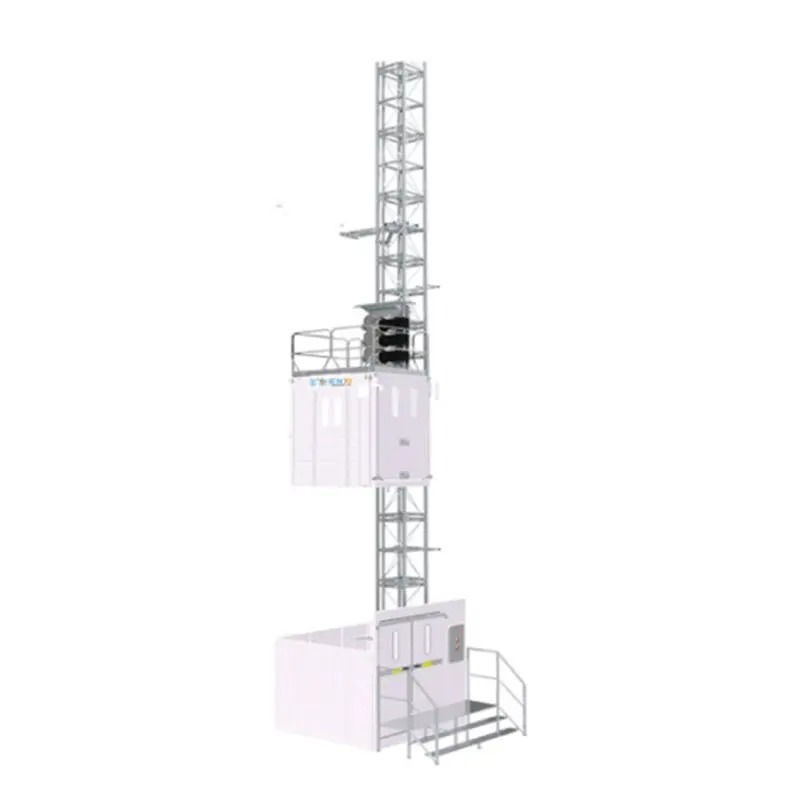
Operating a material hoist during severe weather conditions, such as heavy rain, snow, or high winds, can severely compromise its performance and safety. Weather elements can damage the hoist or make it unstable, increasing the risk of accidents.
Rain or snow can cause slippery surfaces, while high winds can cause the hoist or materials to sway uncontrollably. Additionally, freezing temperatures can affect the hoist’s moving parts, making them less responsive or prone to failure. Ensuring optimal operating conditions is crucial for the safety of workers and the proper functioning of the hoist.
Monitor weather forecasts and suspend hoist operations when adverse conditions are predicted.
If hoisting is necessary during challenging weather, ensure that all materials are securely fastened and that the hoist is rated for the conditions.
Provide proper weather-resistant equipment to ensure safety during operation.
Operating a material hoist without the necessary training is a significant safety violation. Only trained and certified operators should be allowed to use material hoists, as improper operation can result in accidents, injuries, and even fatalities.
Untrained operators may miscalculate the load capacity, fail to inspect the hoist properly, or misuse the hoist, increasing the chances of accidents. Additionally, workers who are not familiar with emergency protocols may struggle to act effectively in critical situations, further complicating the issue.
Ensure that operators undergo regular training on hoist safety, load handling, and emergency procedures.
Offer refresher courses and safety briefings to keep skills up-to-date.
Maintain a certification program to ensure all operators meet legal and safety standards.
Material hoists are indispensable tools on construction sites, but their safe operation is crucial. By adhering to the regulations regarding load limits, safety protocols, and maintenance, the risks associated with hoist use can be minimized. Always ensure that hoists are properly inspected, only used for their intended purpose, and operated by trained personnel. Taking these precautions not only protects workers but also enhances efficiency and reduces operational downtime.
Q1: What happens if a material hoist is overloaded?
Overloading a material hoist can cause the hoist to fail, potentially leading to serious accidents, injuries, or even fatalities. It also increases wear and tear on the equipment, causing more frequent breakdowns.
Q2: Can I use a material hoist to lift people?
No, using a material hoist to lift people is prohibited. Hoists are not designed for human transport and lack the necessary safety features to ensure a person’s protection.
Q3: Is it safe to carry hazardous materials with a material hoist?
Carrying hazardous materials is prohibited unless the hoist is specifically designed and equipped to handle such loads. Always follow safety regulations when transporting hazardous substances.
Q4: How often should material hoists be inspected?
Material hoists should be inspected before each use to check for wear and tear, and regular maintenance should be performed based on the manufacturer’s guidelines or industry standards.


