 注: 建议图片大小150px*50px
丨
English
注: 建议图片大小150px*50px 


Views: 0 Author: Site Editor Publish Time: 2025-12-23 Origin: Site


Scissor lifts are essential in industries requiring elevated access. Have you ever wondered how these machines work so efficiently? In this guide, we’ll explore the mechanisms behind scissor lifts, the power sources that drive them, and how they provide stable access for tasks at height. You’ll learn about the core functions, safety features, and best practices for using scissor lifts across various industries. This article will help you understand how scissor lifts operate, their components, and how to select the right one for your needs.
Scissor lifts use a pantograph design, which consists of a series of X-shaped crossed beams (scissor legs) that extend or contract to lift or lower the platform. This design provides stability and efficiency.
Description of the scissor legs: The legs of a scissor lift are arranged in an "X" shape and are connected by pivot points. This arrangement allows the lift to expand vertically as the legs push apart, raising the platform.
How the legs function: As the hydraulic or pneumatic system applies force, the scissor legs move outward, which raises the platform. When the pressure is released, the legs collapse, lowering the platform back to the ground.
Geometric stability: The parallelogram structure of the scissor legs ensures that the platform remains stable and level during both ascent and descent.
A scissor lift is made up of several key components that work together to achieve vertical movement:
Platform: The platform is where workers or materials are placed. It comes in various sizes and is designed for either personnel (with guardrails) or material handling (without rails).
Base: The base is the foundation of the lift. It is made from rigid metal and includes rollers at the bottom of the scissor legs, ensuring a smooth and stable motion during ascent and descent.
Cylinders: Scissor lifts typically use hydraulic or pneumatic cylinders. These cylinders are filled with fluid or air, and as the fluid is pushed into the cylinders, it creates the force needed to extend the scissor legs.
Valves (Down and Flow Control): The down valve controls how the hydraulic fluid or air is released, ensuring the lift descends slowly. The flow control valve manages the speed of both ascent and descent, providing smooth operation.
When using a scissor lift, understanding the lifting and lowering mechanisms is crucial for smooth and safe operation. The table below details the steps, applications, technical specifications, and considerations for raising and lowering the platform, providing a comprehensive overview of the scissor lift’s operation.
| Action | Process Description | Structure | Applications | Key Considerations | Efficiency | Effect | Technical Indicators | Steps |
|---|---|---|---|---|---|---|---|---|
| Raising the Platform | When the lift is powered on, hydraulic fluid or compressed air is introduced into the cylinders. This pressure pushes the pistons outward, causing the scissor legs to extend and raising the platform. | Hydraulic or Pneumatic System | Construction, maintenance, warehousing, and industrial tasks requiring elevated platforms. | - Ensure proper fluid or air pressure is maintained. - Verify cylinder integrity for smooth operation. | High efficiency when correctly maintained. Increased lifting capacity with higher pressure. | Smooth ascent with controlled speed. | Hydraulic fluid: 1000 psi. Pneumatic air pressure: 90-100 psi. Platform height range: 10-18 meters depending on the lift model. | 1. Turn on power source. 2. Activate hydraulic or pneumatic system. 3. Fluid or air is introduced to cylinders. 4. Platform rises as scissor legs extend. |
| Lowering the Platform | To lower the platform, the operator releases the pressure, allowing the fluid or air to return to the reservoir. As the fluid drains, the scissor legs retract, and the platform lowers. | Fluid Release and Air Exhaust | Warehouse maintenance, electrical work, and other tasks requiring gradual descent. | - Ensure controlled descent to avoid jerky movements. - Regularly check valve and pressure regulation systems. | Provides smooth, controlled descent. Prevents sudden drops, enhancing safety. | Smooth descent with controlled speed, based on fluid release rate. | Hydraulic fluid rate of flow: 1-3 L/min. Pneumatic system: regulated air flow. | 1. Release pressure on the system. 2. Activate the down valve to allow fluid/air to return. 3. Monitor descent speed for stability. 4. Platform lowers as scissor legs retract. |
When choosing a scissor lift, it’s important to understand how different power sources affect performance, efficiency, and suitability for various applications. Below is a table comparing the main power sources used in scissor lifts, along with their features and technical details.
| Power Source | How It Works | Best Applications | Key Considerations | Efficiency | Effect | Technical Indicators | Steps |
|---|---|---|---|---|---|---|---|
| Hydraulic Power | A hydraulic pump pushes fluid into the cylinders, which creates pressure and raises the platform. When the fluid is released, the platform lowers. | Heavy-duty tasks, outdoor environments, and construction sites where high capacity and smooth operation are required. | - Ensure proper fluid levels. - Regularly check the pump and cylinders for leaks. - Suitable for large lifting capacity. | High efficiency in lifting large loads. Ideal for continuous heavy-duty use. | Smooth operation with controlled ascent and descent. | Hydraulic fluid pressure: 1000 psi. Load capacity: 2000-6000 kg. | 1. Power on the lift. 2. Activate hydraulic pump. 3. Fluid fills the cylinders. 4. Platform lifts as pressure increases. 5. Release fluid to lower the platform. |
| Pneumatic Power | Compressed air is pumped into the cylinders, creating the necessary pressure to lift the platform. | Ideal for indoor applications, environments where fumes or emissions are a concern, and smaller, lighter tasks. | - Requires compressed air source. - Suitable for light-duty applications. - Limited lifting capacity compared to hydraulic lifts. | Lower power than hydraulic, but efficient for lighter applications. | Smooth and quiet operation with no emissions. | Compressed air pressure: 90-100 psi. Load capacity: 300-1000 kg. | 1. Activate air compressor. 2. Pump compressed air into cylinders. 3. Platform lifts as pressure increases. 4. Release air to lower the platform. |
| Electric Power | An electric motor powers the hydraulic pump, which raises and lowers the platform. Electric lifts are easy to control and have low operating costs. | Indoor use, particularly in warehouses and tight spaces where noise or emissions are a concern. | - Quiet operation with low emissions. - Requires a power source (battery or outlet). - Limited to indoor or light outdoor tasks. | High energy efficiency and low operational noise. | Quiet, smooth, and emission-free operation. | Electric motor power: 1-3 kW. Platform height: 6-12 meters. | 1. Power on the lift. 2. Activate electric motor. 3. Electric motor powers hydraulic pump. 4. Platform lifts. 5. Use controls to lower the platform. |
| Diesel Power | Diesel engines power the hydraulic pump, providing the force needed to lift the platform. | Outdoor construction, rough terrains, and projects requiring higher lifting capacity and power. | - High noise and emissions. - Best for outdoor use. - Requires proper ventilation in confined spaces. | High lifting capacity and power for large tasks. | Powerful, fast lifting and large platform capacities. | Diesel engine power: 36 kW. Load capacity: 4000-10000 kg. | 1. Power on the diesel engine. 2. Activate hydraulic pump. 3. Fluid fills cylinders. 4. Platform lifts as pressure increases. 5. Release fluid to lower platform. |
Tip: Always select the power source based on your work environment. For outdoor heavy-duty tasks, diesel may be ideal, while for indoor use, electric or pneumatic lifts offer quieter and cleaner operations.
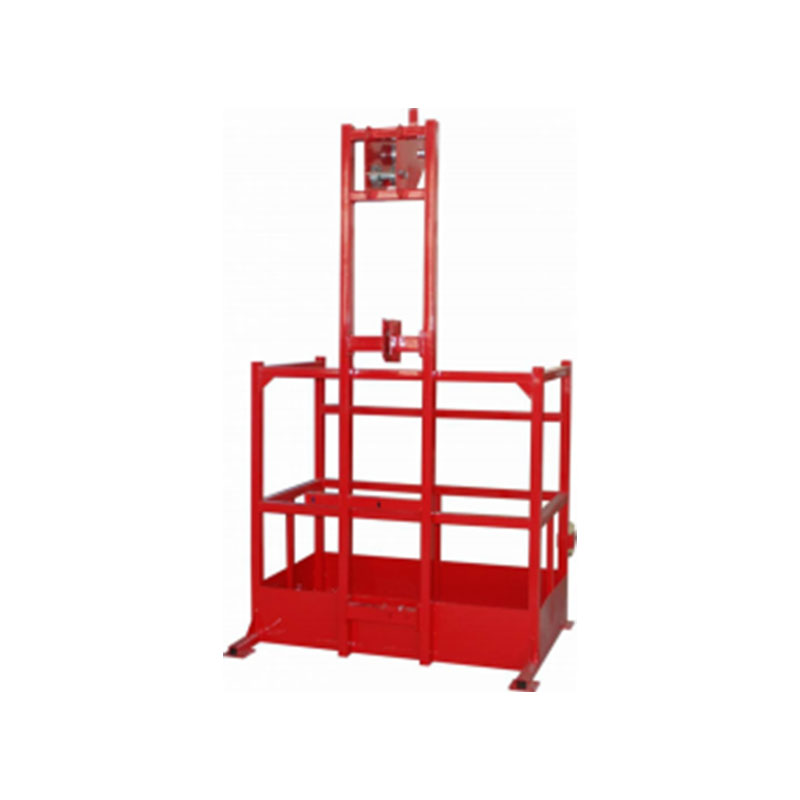
Manual controls are commonly found on older or smaller scissor lifts, offering a straightforward and reliable method for platform operation. Typically, these lifts use a foot lever and hand knob to control the hydraulic system, allowing the operator to raise and lower the platform with ease. While the manual control system is simple, it does have limitations, particularly when it comes to speed and precision, making it less suitable for tasks requiring quick adjustments or fine control. These systems are ideal for light-duty tasks or environments where advanced control mechanisms are not necessary. Regular maintenance is essential to ensure the longevity and smooth operation of manual systems.
Modern scissor lifts feature electric and joystick controls for more advanced maneuverability.
Modern control systems: Electric systems, including joystick controls, offer precise control over the lift’s movements. These controls allow the operator to easily raise, lower, and maneuver the platform, even in tight spaces.
Safety features: Modern control systems often include safety interlocks, emergency stop buttons, and other safety mechanisms to prevent accidents during operation.
Before using a scissor lift, it is crucial to perform a comprehensive inspection to prevent accidents. This includes checking for any visible damage to the platform, ensuring the brakes function correctly, and verifying that the emergency stop button is operational. Hydraulic fluid levels should also be assessed, as low fluid can affect lifting capacity and cause malfunction. Operators should ensure that the lift’s tires or base are in good condition, especially for rough terrain use, to prevent instability. Regular checks help ensure smooth operation and reduce the risk of unexpected failures during use.
Scissor lifts are designed with several built-in safety features to protect operators. Guardrails and harness points are standard, providing essential protection against falls when workers are elevated. The lift’s structure, such as the parallelogram design of the scissor legs, adds stability by maintaining level positioning even when fully extended, reducing the risk of tipping. Additionally, scissor lifts often have limit switches and load sensors that prevent the platform from exceeding its safe operating height or weight capacity, ensuring the lift operates within safe parameters.
Scissor lifts are equipped with critical emergency measures to protect operators in unexpected situations. An emergency stop button is included to immediately halt all operations in case of malfunction, preventing further damage or injury. Furthermore, in the event of a power failure, scissor lifts are designed with fail-safe systems that allow the platform to descend slowly and safely, avoiding sudden drops that could harm the operator. Emergency descent protocols involve a controlled release of hydraulic pressure or air, ensuring a gradual and safe return to the ground.
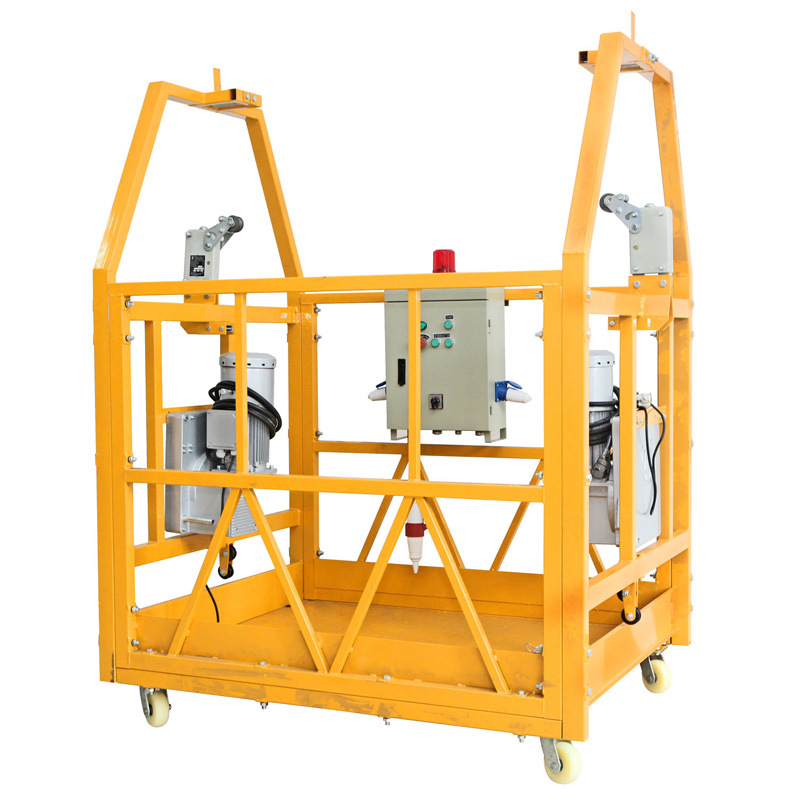
Scissor lifts are commonly used in the construction industry for a variety of tasks.
| Application | Tasks | Benefits | Key Considerations |
|---|---|---|---|
| Scissor Lifts in Construction | Used for building repairs, window installations, and exterior painting at elevated heights. | Provides safe access to high areas for maintenance and construction. | Ensure the lift has enough load capacity for heavy equipment or tools. |
| Scissor Lifts in Warehouses | Used to transport materials and lift workers for maintenance tasks. | Increases efficiency in reaching high storage areas and handling materials. | Check lift stability on different floor surfaces and ensure proper load balance. |
Scissor lifts have a wide range of applications outside of construction and warehousing.
| Industry | Tasks | Benefits | Key Considerations |
|---|---|---|---|
| Entertainment and Film Industries | Used to elevate lighting and cameras for stage productions or film sets. | Provides easy access to elevated areas for setup and adjustments. | Ensure the lift is stable when used on uneven or soft surfaces. |
| Aerospace and Automotive Industries | Used for maintenance and assembly tasks in manufacturing plants and service facilities. | Enhances worker efficiency and access to high or hard-to-reach areas. | Regularly check lift capacity to handle heavy tools or components. |
When selecting a scissor lift, consider the following factors:
Work environment: Determine if the lift will be used indoors or outdoors. Electric or pneumatic lifts are best for indoor use due to quieter operation and low emissions, while hydraulic or diesel lifts are more suited for outdoor work.
Height and load capacity: Ensure the lift meets the required lifting height and can support the necessary weight of both workers and materials.
Terrain and maneuverability: Consider if the lift needs to handle rough terrain or tight spaces. For uneven surfaces, choose lifts with larger wheels and higher clearance for better maneuverability.
Understand the differences between electric, hydraulic, pneumatic, and diesel-powered scissor lifts to choose the best one for your needs.
Electric lifts: Best for indoor tasks due to quiet operation and low emissions. Ideal for warehouse and light-duty applications.
Hydraulic lifts: Preferred for heavy-duty outdoor use, offering powerful lifting capabilities and stability on rough terrain.
Pneumatic lifts: Emissions-free and suitable for lighter tasks, making them ideal for environments requiring clean air.
Diesel-powered lifts: Provide robust power and high lifting capacity, perfect for outdoor construction and heavy-duty applications.
Scissor lifts are crucial for providing safe and efficient access to elevated areas in various industries, from construction to warehousing. Understanding how they work, including their core mechanisms, power sources, and safety features, is essential when choosing the right lift for your needs. With their versatility and reliability, scissor lifts replace traditional methods like ladders and scaffolding, ensuring stability and efficiency in every task. At Shenxi Machinery Co., Ltd., our scissor lifts offer unmatched performance, safety, and reliability for a range of applications. With customizations available, our products ensure the highest standards of safety and efficiency for your next project.
A: A scissor lift uses hydraulic or pneumatic systems to extend and retract its scissor legs, raising and lowering the platform to reach elevated areas safely.
A: The main components include the platform, scissor legs, cylinders (hydraulic or pneumatic), and control systems, which work together to lift and lower the platform.
A: The best power source depends on your needs. Hydraulic lifts are ideal for heavy-duty tasks, while electric lifts are quieter and suited for indoor environments.
A: Consider factors like the work environment, required lifting height, load capacity, and terrain type to select the right scissor lift for your specific needs.


